
Doomsday Counter in Pictures
Ten scenes about predictions, real risks and the distant future. Explore the ideas, then follow each story back to its evidence.
Select an image to see it larger.
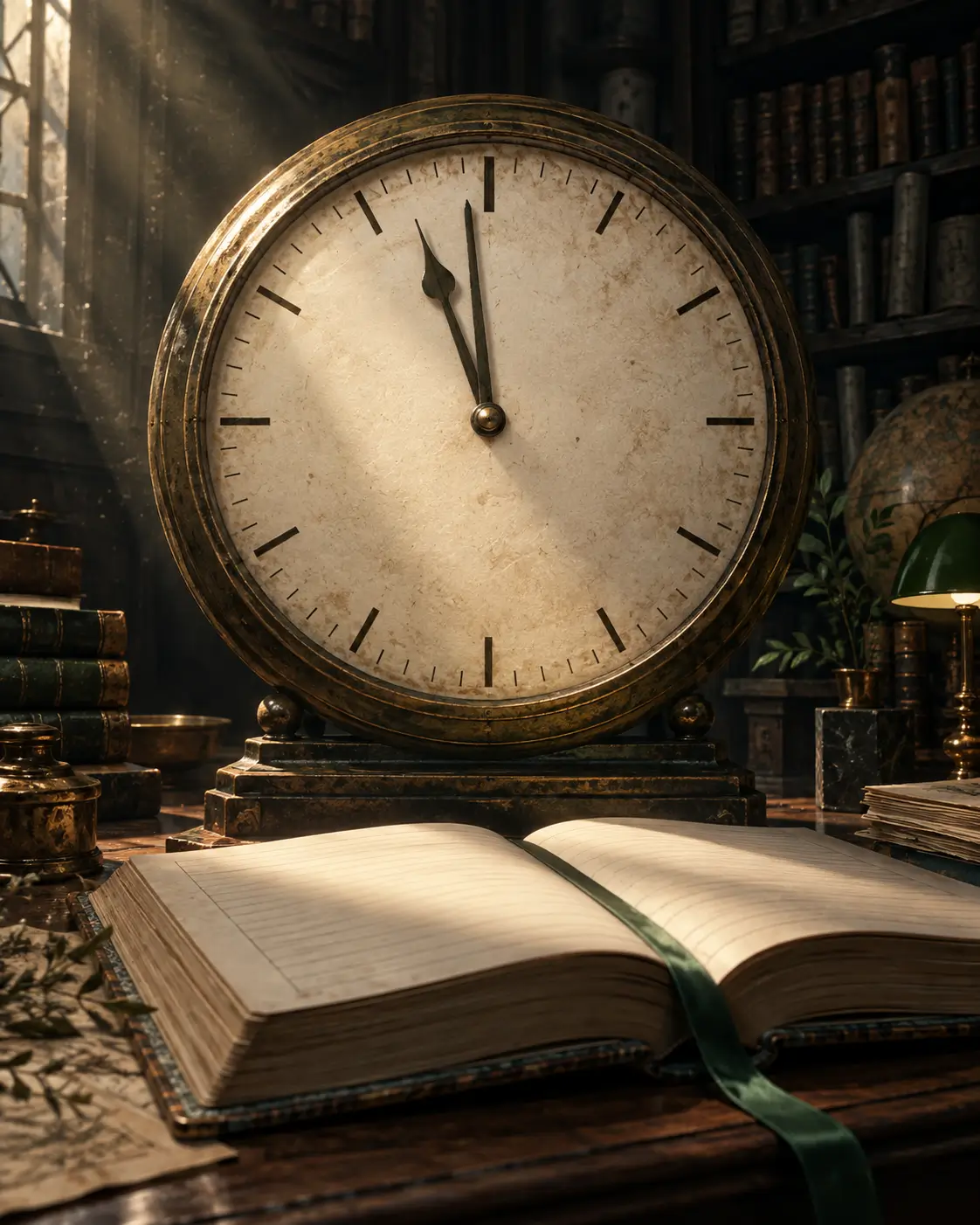
01 / Time and uncertainty
We really don’t even know what time is!
We can measure seconds with astonishing precision. Explaining what time fundamentally is remains a deeper question. Our everyday sense of past, present and future leaves plenty to wonder about. Before asking when the world will end, perhaps we should ask what kind of clock we are reading — and what we mean when we say the end is near.
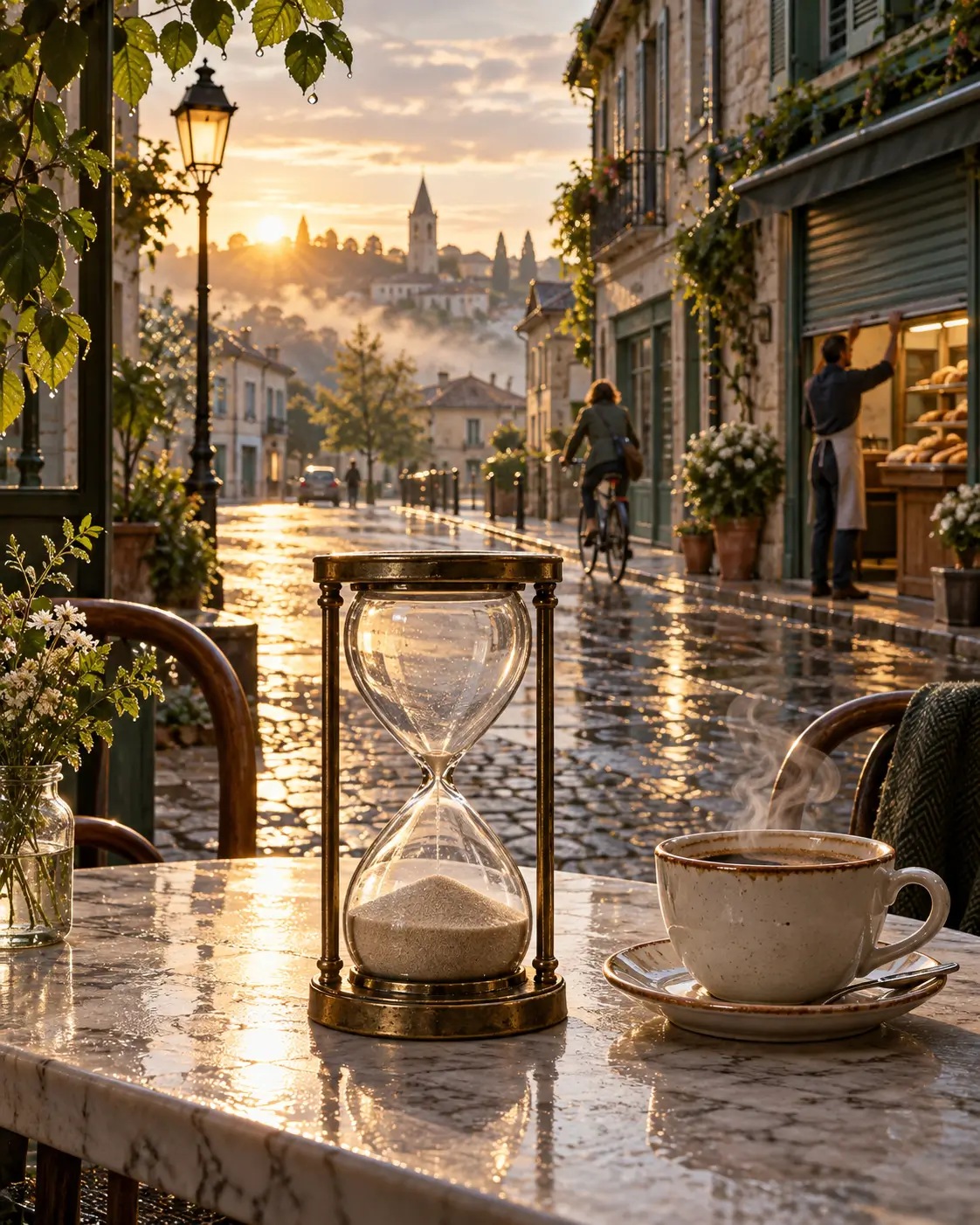
02 / Perception and uncertainty
Could Doomsday Arrive Before We Even Notice?
Doomsday might arrive before we can make sense of it. Sudden events can outrun our reactions; slower crises can become familiar while their consequences grow. The cup is warm, the street is waking up, and everything feels normal. How much of our sense of safety comes from the fact that this morning looks like the last one?
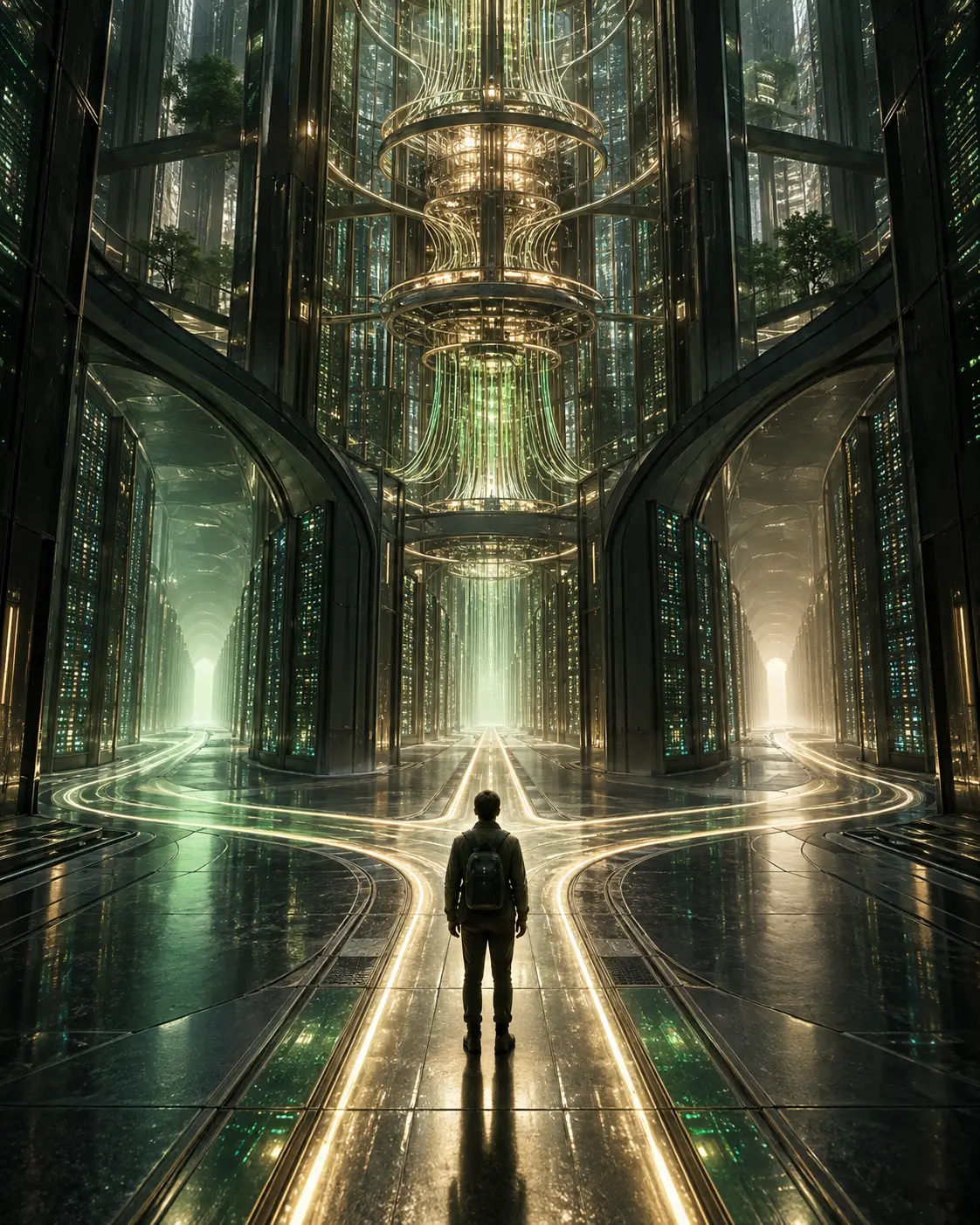
03 / Scenario and real risk
AI: More Than One Future
The paths are imagined; the choices are real. AI could bring major benefits, enable misuse or create systems that people struggle to control. A scenario explores how events might unfold. It does not establish an extinction date, and a capability forecast is not the same as a catastrophe forecast.
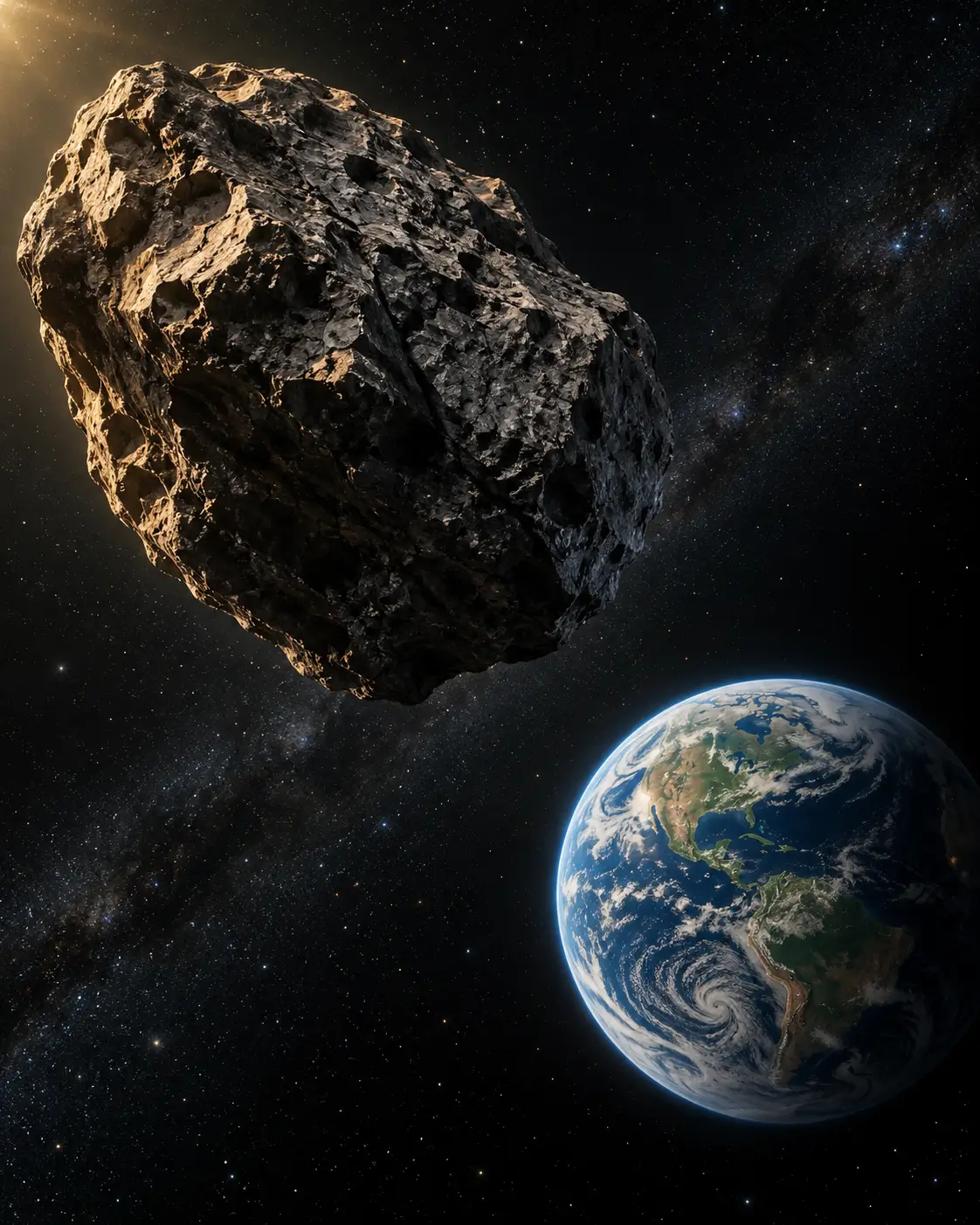
04 / Astronomical event
Apophis: Passing By
A close approach is not a collision. Apophis will pass Earth on 13 April 2029, and NASA has ruled out an impact for at least a century. The exaggerated scale here is artistic: the asteroid is about 340 metres across. The real encounter is remarkable enough without inventing an apocalypse.
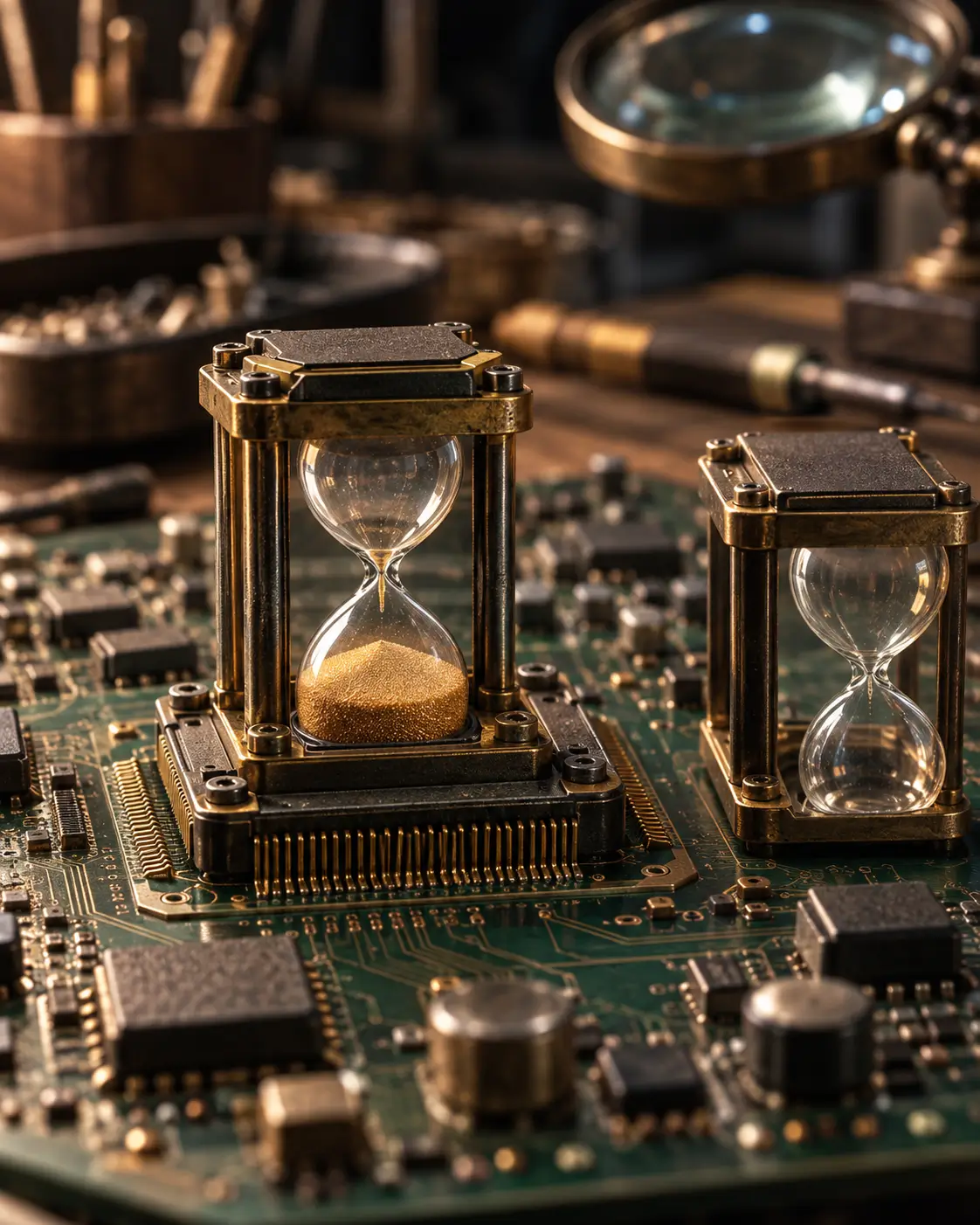
05 / Technical deadline
When Time Runs Out of Room
Sometimes the number runs out of room before the world does. On 19 January 2038, a signed 32-bit Unix timestamp reaches its limit. Vulnerable software can misread subsequent times, but many systems already use wider formats. The useful response is testing and migration, rather than a universal countdown to failure.
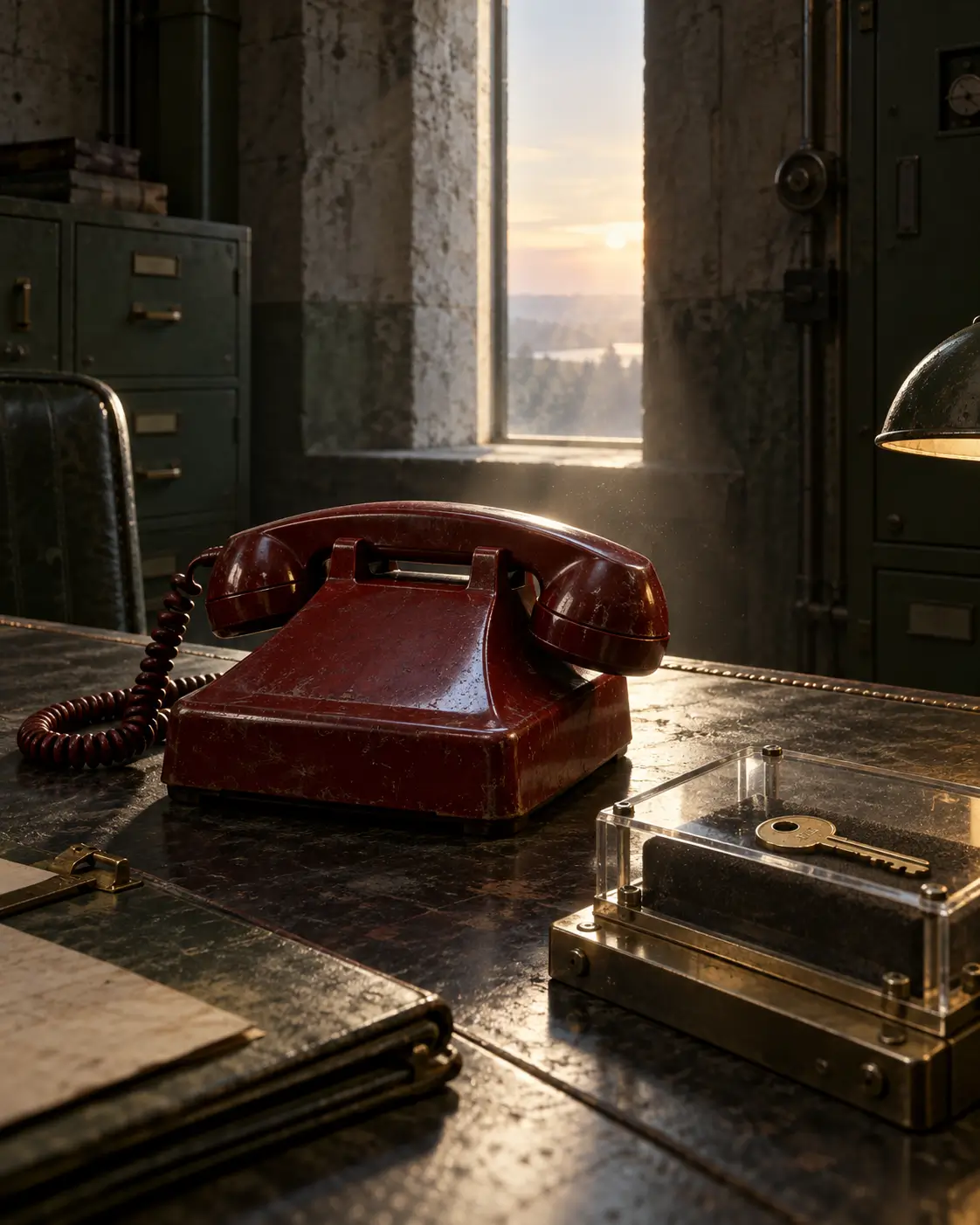
06 / Real risk without a fixed date
It’s Chilling That Nuclear War Is Still a Threat
We still live with weapons capable of destruction on a scale that is difficult to imagine. The danger depends on decisions, misunderstandings and the safeguards meant to stop a crisis from becoming a catastrophe. The quiet room makes that dependence unsettlingly clear. Prevention means keeping escalation from reaching the point where a decision becomes irreversible.
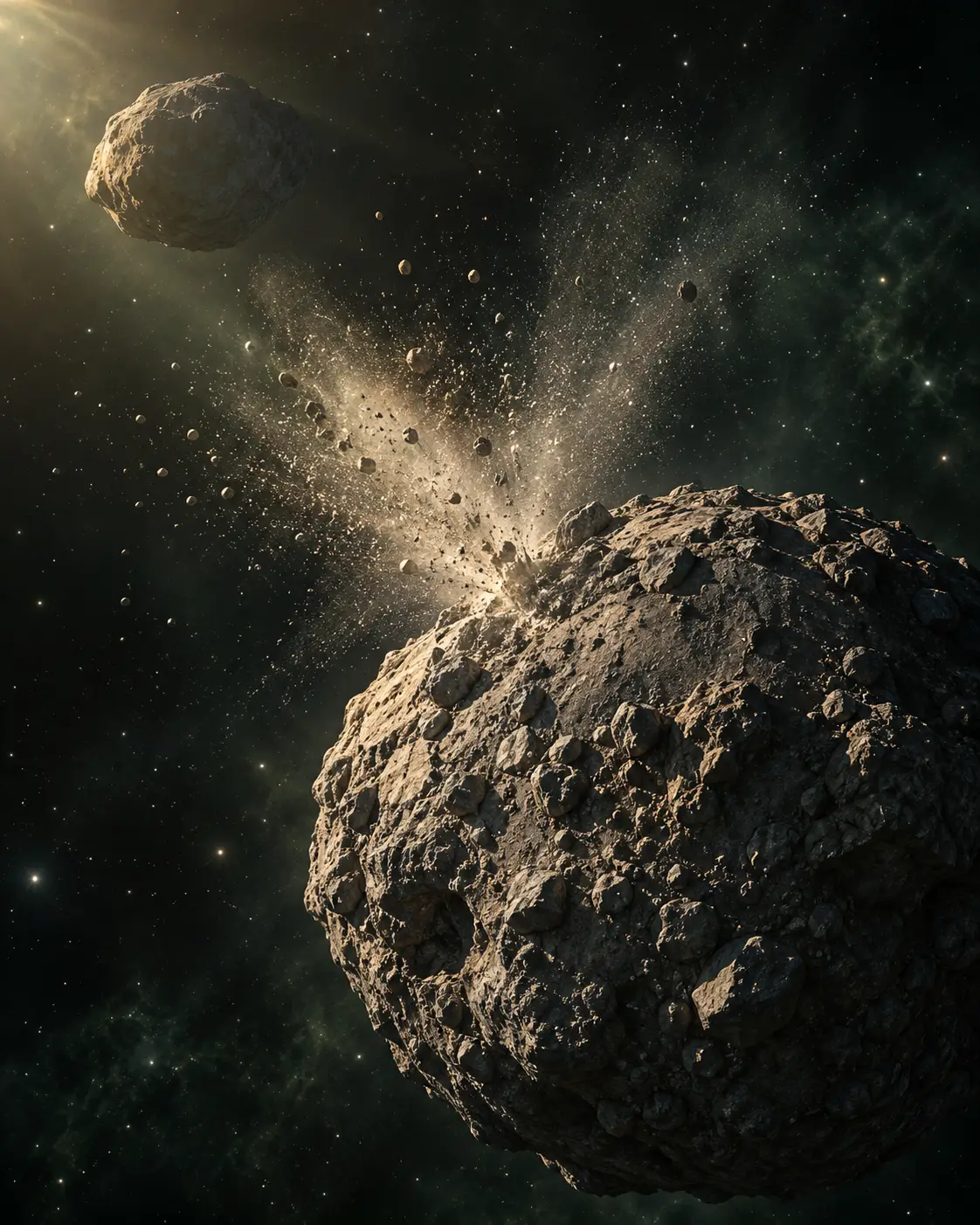
07 / Measured intervention
Changing an Asteroid’s Path
The future can sometimes be nudged. In September 2022, NASA’s DART spacecraft deliberately struck Dimorphos and changed its orbit around Didymos. Neither asteroid threatened Earth. The experiment demonstrated a deflection technique; it did not remove every asteroid risk. This imagined impact scene illustrates a measured result.
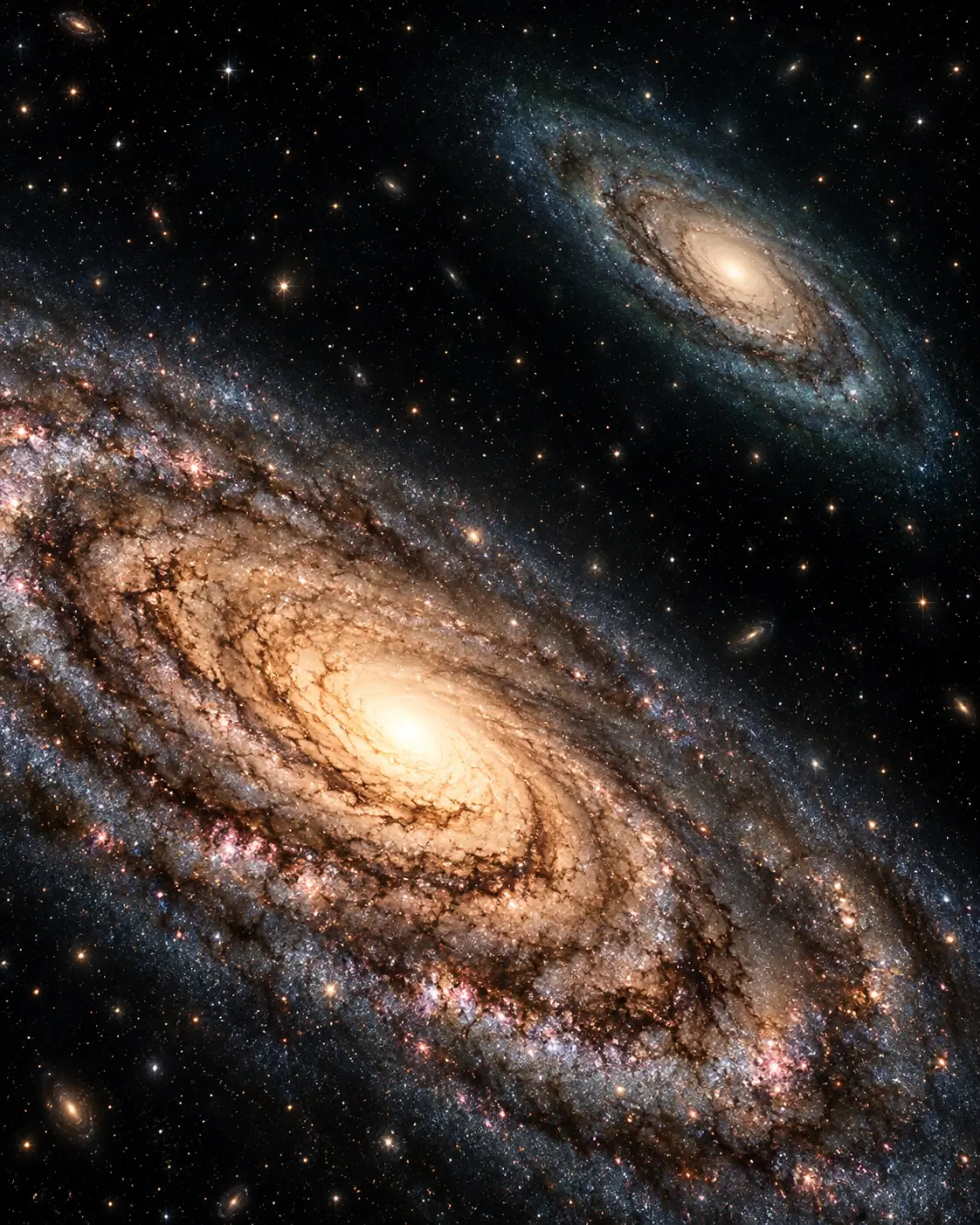
08 / Scientific model
Even Galaxies Have Error Bars
A dramatic picture can look more certain than the model behind it. The Milky Way and Andromeda’s distant future depends on uncertain motions, masses and interactions with other galaxies. Research describes several possible encounters. These two imagined spirals are an invitation to read those uncertainties, not proof of an inevitable collision.
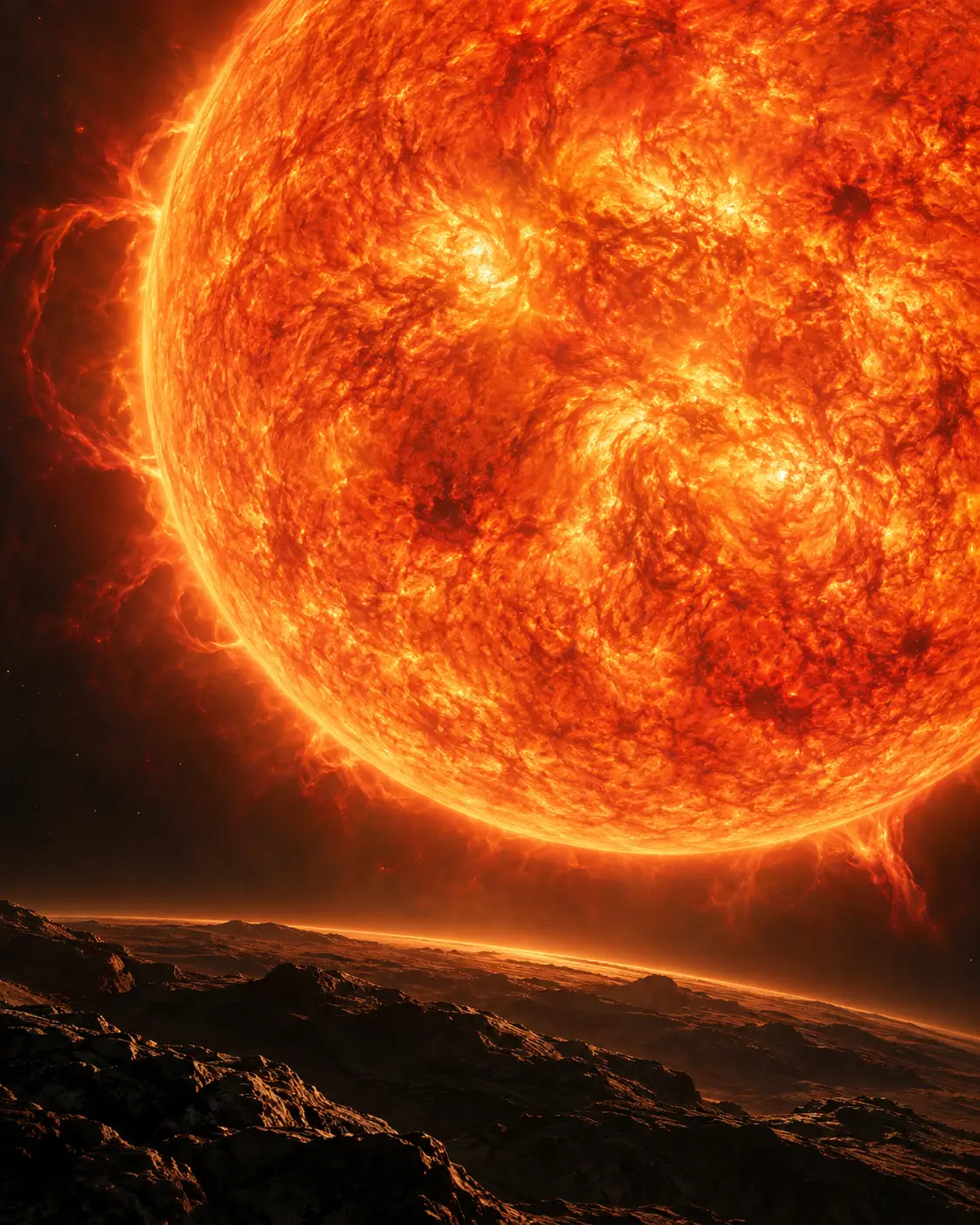
09 / Stellar evolution model
The Sun’s Distant Future
The Sun’s evolution belongs to a timescale of billions of years. It will eventually expand into a red giant, but the fate of Earth’s orbit and the earlier loss of habitability are different questions. This dramatic view is an artistic interpretation, not a forecast of tomorrow’s sky.
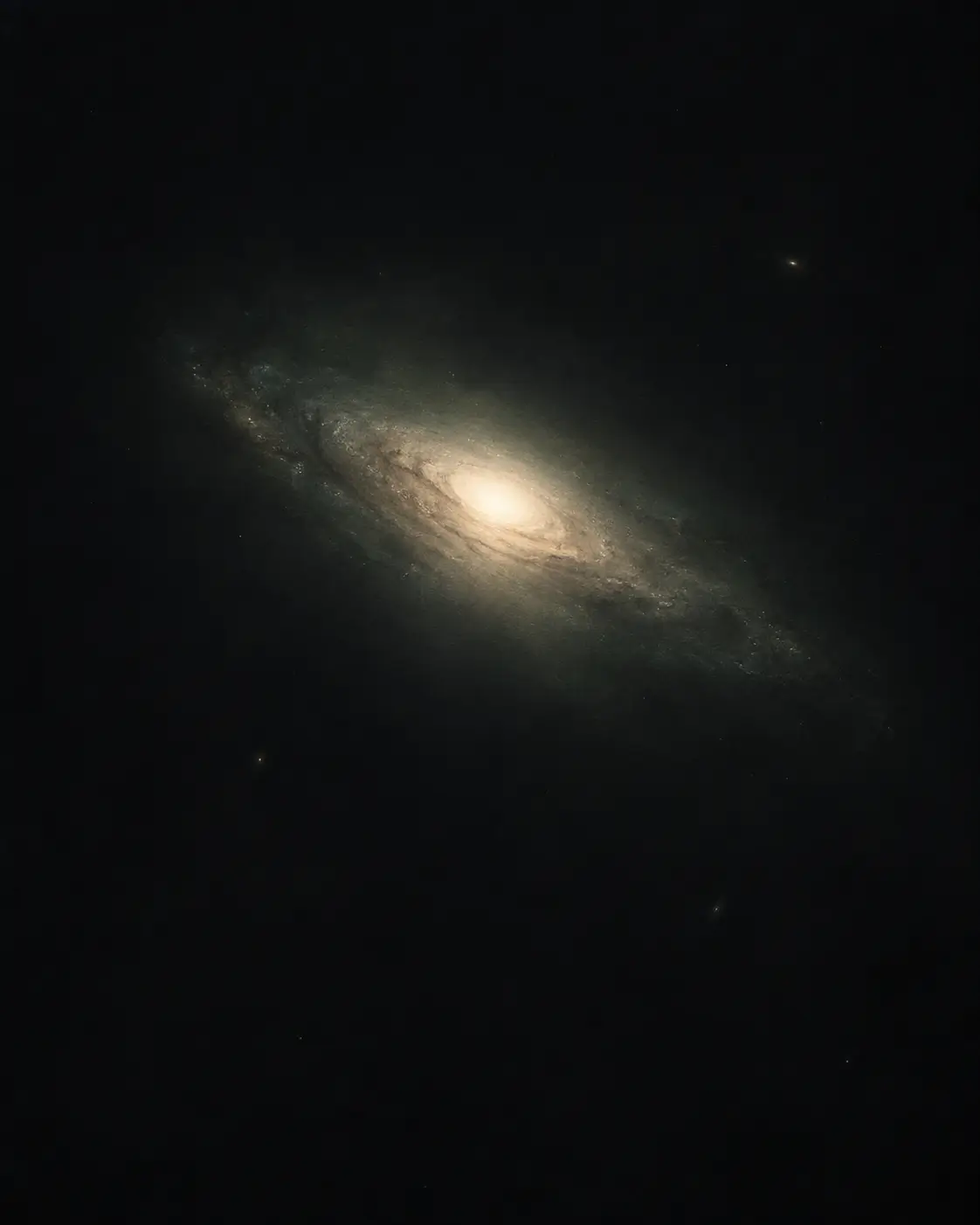
10 / Long-term cosmological model
No Final Date
A last patch of light is a metaphor, not an observed final frame. Heat death describes a possible long-term approach toward conditions with little usable energy for work. It has no scientifically established calendar date. Different cosmic processes unfold on different timescales; one enormous number cannot stand in for them all.
Pictures start the conversation; sources help settle the claims. Read When will the world end?, explore the dated ledger, or check how the evidence is assessed.